Is Renting a Bare Metal Server Worth It for Businesses?
Whether a Bare Metal Server Is Worth It Depends on the Workload Type
For businesses, a bare metal server is worth the cost when workloads are stable over the long term and demands for performance and isolation are high. When traffic fluctuates heavily or usage is short-term, a cloud server or VPS is often cheaper. The key is not the unit price but the long-term cost per unit of performance.
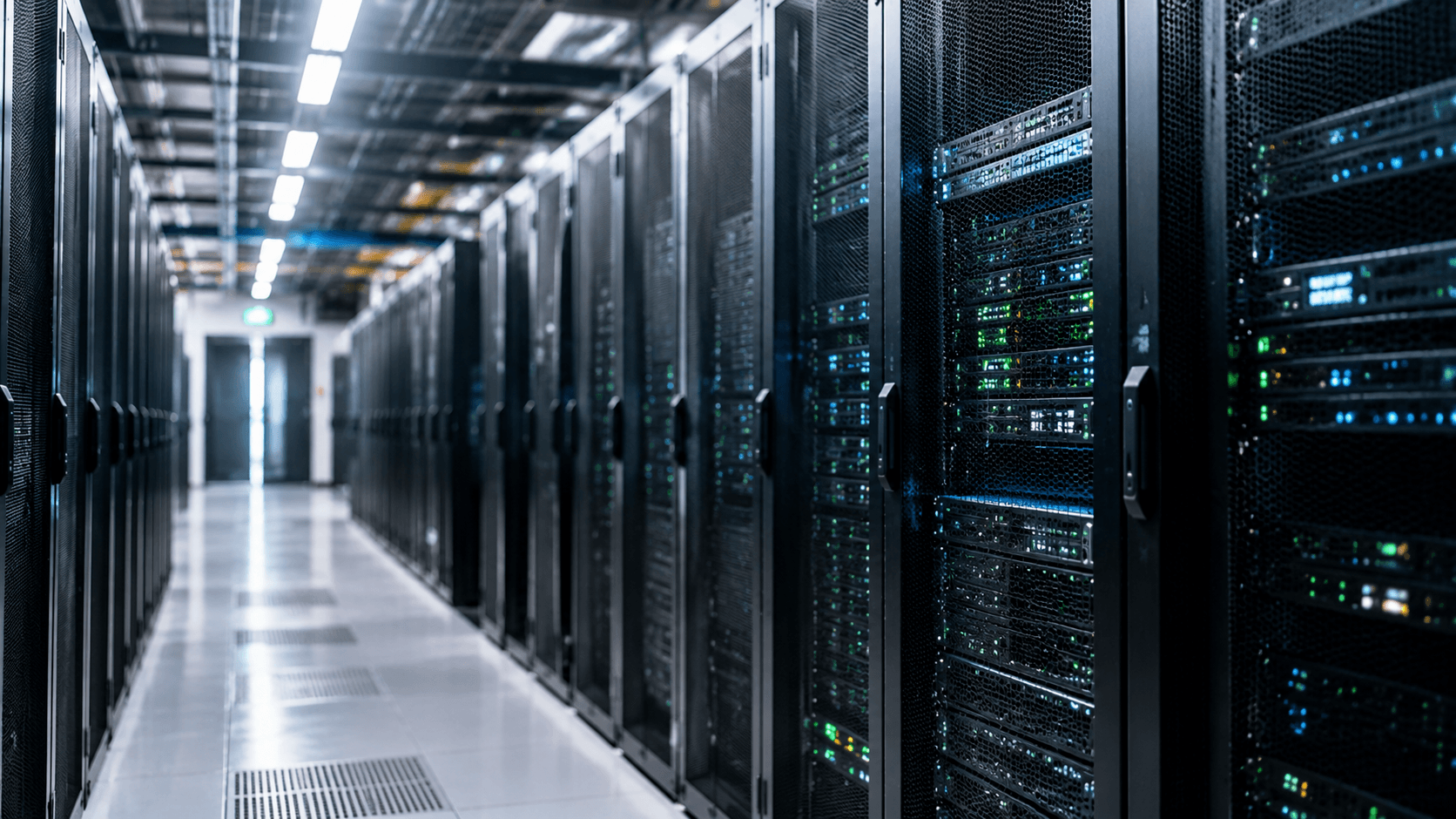
This type of server gives a single tenant an entire physical machine, with no virtualization layer and no other users sharing CPU, memory, or disk I/O. As a result, performance is stable, making it well suited to databases, game servers, video transcoding, big data computing, and other workloads with sustained high load.
Conversely, if average CPU utilization is low or the business is still in the validation stage, dedicating a whole machine leaves a lot of resources idle and makes the monthly fee look high. In that case, it is safer to trial the workload on a VPS first and upgrade based on actual load.
In terms of performance gains, exclusive hardware means you can choose the CPU model, memory capacity, and storage type to fit the workload—for example, NVMe SSDs for databases and high-memory models for caching. This room for customization is hard to get with shared products and is the main reason a dedicated machine commands a premium.
Cost Differences Between Renting and Buying
Compared with buying your own equipment, server rental eliminates upfront costs for hardware procurement, racks, power, bandwidth access, and equipment depreciation. Businesses pay monthly or annually, which eases cash-flow pressure. When hardware fails, the data center handles the replacement, reducing the risk of downtime.
Compared with pay-as-you-go cloud servers, a dedicated machine has a higher monthly price, but its resources are fixed and exclusive, so performance does not fluctuate because of overselling or noisy neighbors. If a cloud instance must run at a high specification over the long term, its cumulative cost can approach or even exceed the rent for an equivalent dedicated machine.
Another often-overlooked factor is the cost of scaling. A dedicated machine's configuration is relatively fixed during the contract term, and scaling up usually means adding devices or changing models. It is therefore wise to size the specification for the next six to twelve months of business growth, avoiding repeated adjustments from under-provisioning or waste from over-provisioning.
Beyond the monthly fee, you should also account for several kinds of hidden costs: how bandwidth and traffic are billed, extra IPv4 address fees, the data backup plan, and the labor needed for system operations. For example,
Businesses Suited to Dedicated Machines
Bare metal is better suited to the following scenarios: first, database and cache clusters that need stable disk I/O and low latency; second, gaming, live streaming, and video transcoding, which place sustained high demands on CPU and bandwidth; third, businesses with compliance or data isolation requirements that prefer not to share hardware with others.
Cross-border businesses also need to consider network routes. For services accessed from mainland China, premium three-network routes such as CN2 GIA, AS9929, and CMIN2 are worth considering first, as latency and packet loss are easier to control during evening peak hours. For overseas users, native routes are an option.
Before choosing, we suggest a three-step evaluation: review the average and peak load of the past three months, calculate the total monthly cost of your current cloud resources, then compare it with the monthly rent and bandwidth fees of a dedicated machine of equivalent specification. If the dedicated option costs the same or less and performs more stably, migrating makes sense; otherwise, keep using a VPS and upgrade once the business grows.
Note that a dedicated machine does not mean no operations work. System installation, security hardening, monitoring and alerting, and data backup still have to be planned by the business itself. Businesses without an operations team may prefer a provider that offers automated deployment and technical support to lower the barrier to entry.
VMRack is part of EasyLink and has more than 12 years of industry experience. Backed by its self-built data center in Los Angeles, its bare metal servers support custom configurations, unlimited traffic, and multiple IPv4 addresses, so businesses can combine resources to fit their needs, keep budgets under control, and deploy quickly.
Summary
A bare metal server is not cost-effective for every business, but for stable workloads that demand performance and isolation, it usually offers an advantage in long-term cost and stability. Businesses should first assess their own load and total cost, then decide whether to adopt a dedicated-machine approac
- Can Bare Metal Servers Protect Cross-Border E-commerce Data Security?
- Are Bare Metal Servers Suitable for High-Performance Computing?
- When Does a Database Workload Need a High-Performance Bare Metal Server?
- How Much Bandwidth Does Cross-Border E-Commerce Need?
- How Does a Bare Metal Server Handle High-Load Workloads?

- Products
- VPS Hosting
- VPS HostingUnmetered
- Bare Metal
- GPU Rental
- CDNPublic Beta
- Custom CDN
- Object StoragePublic Beta
- TranscoderPublic Beta