Are Bare Metal Servers Suitable for High-Performance Computing?
High-performance computing (HPC) is widely used in scenarios requiring large-scale parallel computing, such as scientific research, engineering simulation, and AI training. These workloads place high demands on server computing performance, resource exclusivity, and inter-node communication efficiency.
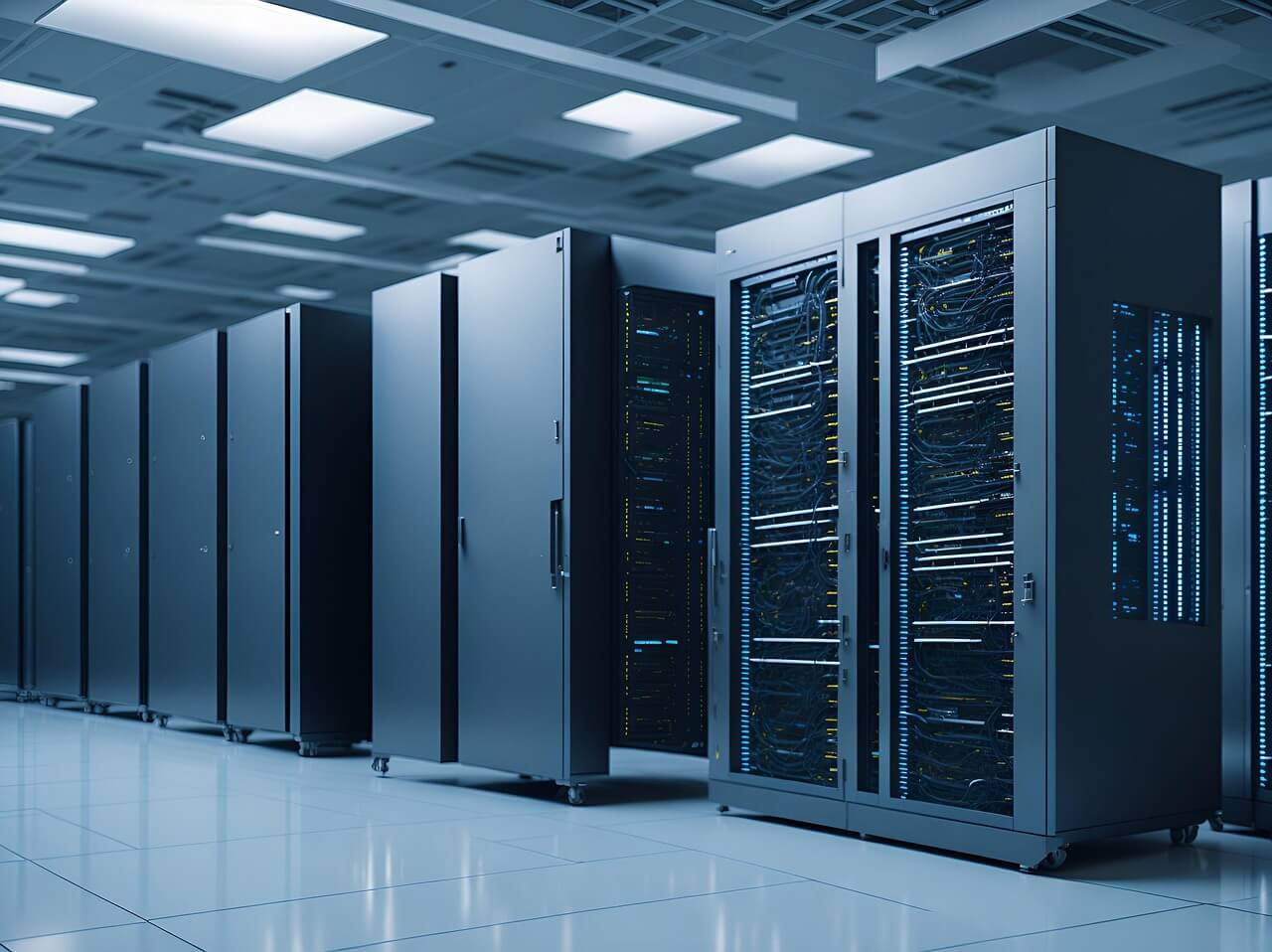
With advantages such as dedicated physical resources, lower virtualization overhead, and high-speed network connectivity, bare metal servers can provide a stable and efficient operating environment for high-performance computing tasks.
What Are the Advantages of Bare Metal Servers?
A bare metal server refers to a physical server on which users run operating systems and applications directly, without running their workloads through a conventional virtual machine management layer.
Compared with virtual machines that share host resources, bare metal servers offer the following advantages in terms of performance, resource control, and hardware configuration.
Dedicated physical resources: Exclusive access to CPU, memory, and storage resources reduces resource contention and ensures stable computing performance.
Reduced virtualization overhead: Minimizes the additional overhead introduced by virtualization and improves computing efficiency.
Flexible hardware configurations: Allows users to select CPUs, memory, GPUs, storage, and network equipment according to their business needs, meeting the requirements of different computing scenarios.
High-performance networking: Supports high-speed networking, RDMA, and other technologies to reduce data transfer latency, making it suitable for high-performance computing and distributed clusters.
Physical-level isolation: Enhances data and application isolation through dedicated physical hardware, meeting the security and compliance requirements of industries such as finance, government, and enterprises.
If you are looking for a solution that balances computing performance, network quality, and resource isolation, consider VMRack bare metal servers. VMRack bare metal servers provide dedicated physical hardware resources and premium three-network connectivity through CN2 GIA, making them suitable for high-performance computing, high-concurrency applications, and high-load workloads.
Why Are Bare Metal Servers Suitable for High-Performance Computing?
High-performance computing has stringent requirements for computing density, performance predictability, and operational stability. Bare metal servers can meet these requirements by providing dedicated physical resources, flexible hardware configurations, and extensive optimization capabilities.
1. Meet High-Density Computing Requirements
Bare metal servers can fully utilize multi-core CPUs, high memory bandwidth, and NUMA architecture, making them suitable for high-load tasks such as scientific computing, engineering simulation, and large-scale numerical analysis.
2. Optimize Memory and Storage Performance
By configuring large-capacity ECC memory, high-speed NVMe SSDs, and parallel file systems, bare metal servers can improve data access efficiency and meet the computing demands of large datasets and high I/O workloads.
3. Deploy Software Environments Flexibly
Bare metal servers support flexible configurations of operating systems and computing tools such as Linux, MPI, and Slurm, making it easier to deploy software and optimize performance according to application requirements.
4. Suitable for Long-Term High-Load Operations
Bare metal servers provide dedicated physical resources, making them suitable for HPC clusters that run for extended periods under stable workloads. However, actual performance and costs still need to be evaluated based on hardware configurations, network architecture, resource utilization, and specific applications.
Conclusion
With dedicated physical resources, low virtualization overhead, flexible hardware configurations, and high-performance networking, bare metal servers can meet the computing power, storage performance, and inter-node communication requirements of high-performance computing. They are highly suitable for HPC scenarios such as scientific computing, engineering simulation, and AI training.

- Products
- VPS Hosting
- VPS HostingUnmetered
- Bare Metal
- GPU Rental
- CDNPublic Beta
- Custom CDN
- Object StoragePublic Beta
- TranscoderPublic Beta