How Can Bare Metal Servers Reduce Enterprise Infrastructure Costs?
What Costs Can Bare Metal Servers Help Businesses Reduce?
When businesses need the high performance, low latency, and dedicated resources of physical servers while also wanting the flexibility and convenient management of cloud computing, bare metal servers become an ideal choice.
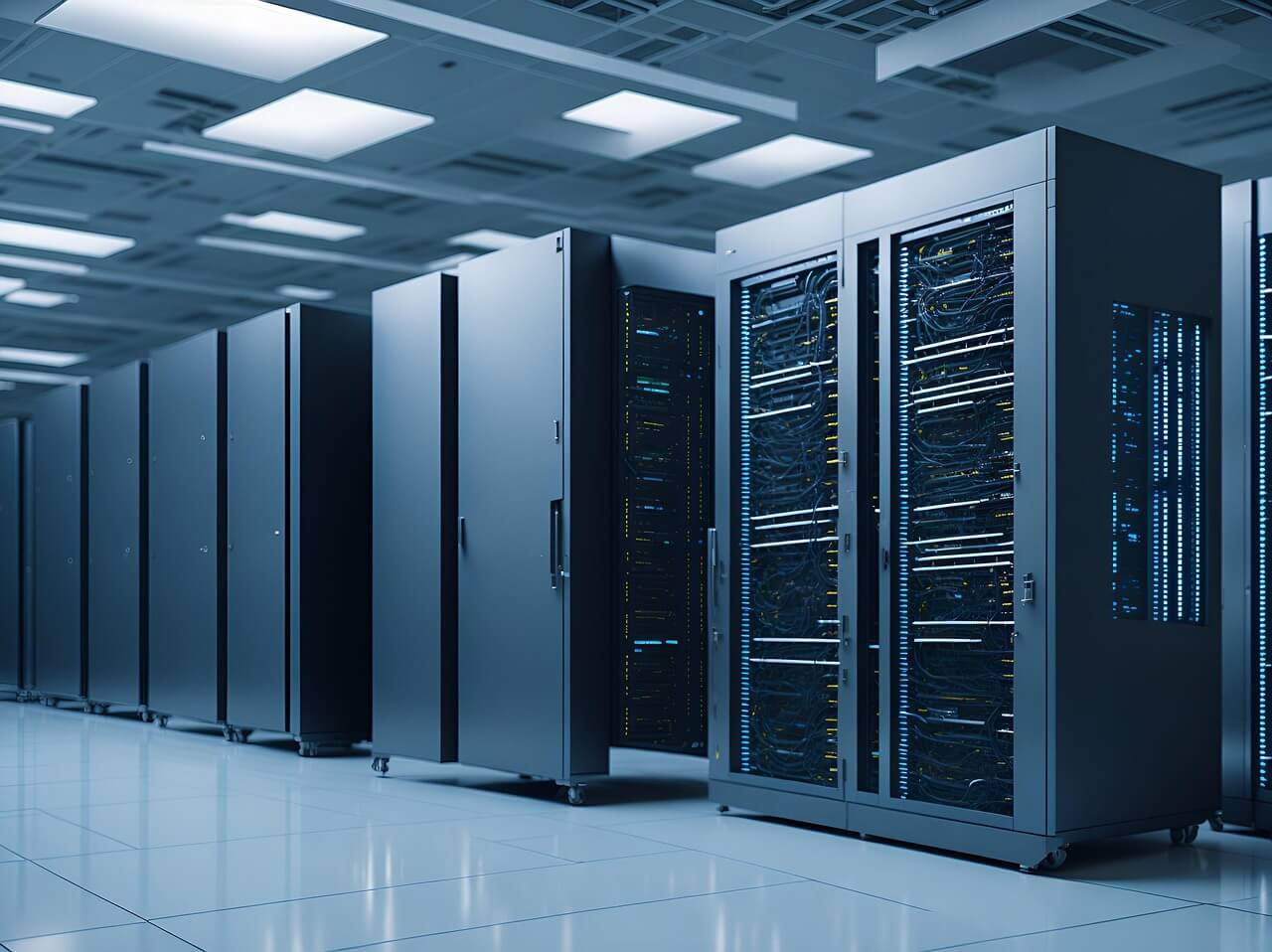
Bare metal refers to a physical server dedicated to a single user, without the overhead of a virtualization layer. It combines the performance of physical machines with the flexible management capabilities of cloud platforms. While ensuring business stability and security, bare metal servers improve resource utilization and reduce infrastructure costs.
1. Reduce Initial Capital Investment
Businesses do not need to purchase expensive physical servers and related hardware equipment upfront. Instead, they can rent bare metal servers and obtain the computing resources they need on demand. Compared with traditional self-built infrastructure, bare metal services can effectively reduce upfront hardware procurement expenses and capital investment pressure, allowing businesses to allocate more funds to core business development.
2. Reduce Hardware Maintenance Costs
Bare metal servers are typically maintained and managed by cloud service providers at the underlying hardware level, reducing the investment businesses need to make in hardware maintenance, troubleshooting, and specialized personnel. At the same time, with the help of automated management tools provided by cloud platforms, businesses can simplify infrastructure maintenance processes, improve management efficiency, and focus more resources on core business development.
3. Flexible Pay-as-You-Go Pricing
Bare metal service providers offer various pricing models, allowing businesses to select suitable resource configurations and usage periods based on their business needs and avoid unnecessary resource investments. By adjusting server resources on demand, businesses can better respond to changes in workloads, improve resource utilization, and effectively control infrastructure costs.
4. Improve Resource Utilization
Bare metal servers can integrate virtualization and resource management technologies to flexibly allocate computing, storage, and network resources. Businesses can plan resource configurations according to their actual operational needs, reduce idle resources and waste, and improve hardware utilization. This helps optimize infrastructure costs and enhance overall operational efficiency.
How Should You Choose a Bare Metal Server?
When choosing a bare metal server, businesses should comprehensively evaluate factors such as business scenarios, hardware configurations, network performance, data security, and budget, ensuring that server performance matches business requirements while balancing stability, scalability, and cost-effectiveness.
For workloads such as databases, high-performance computing, and cross-border business operations that require high computing performance and network quality, it is recommended to prioritize providers offering dedicated physical resources, premium network routes, and comprehensive technical support. For example, VMRack bare metal servers.
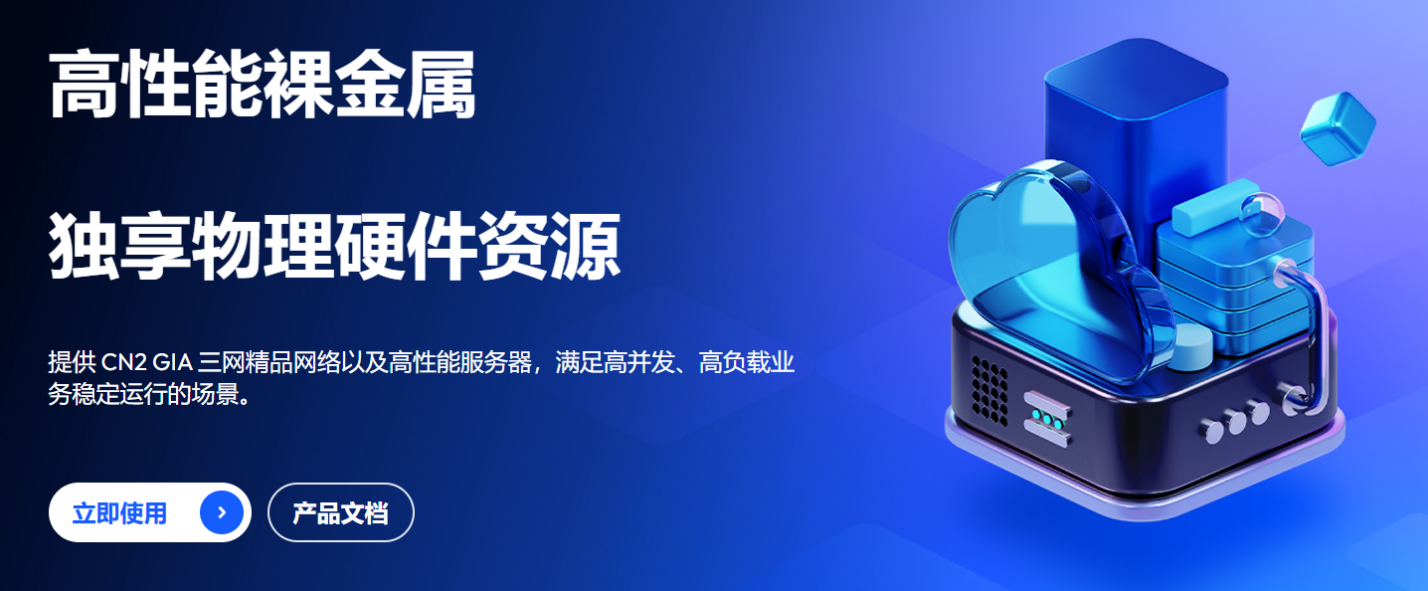
VMRack bare metal services provide dedicated physical server resources and support various network routes, including CN2 GIA, AS9929, and CMIN2. They also offer multiple bare metal server configurations, along with operating system deployment and server management features, making them suitable for databases, game servers, high-performance computing, and other scenarios.
Conclusion
Bare metal servers can help businesses reduce upfront investment and maintenance costs, improve resource utilization, and optimize infrastructure expenses. For high-performance computing, databases, and cross-border business operations, VMRack bare metal servers are worth considering, as they meet diverse business deployment requirements.

- Products
- VPS Hosting
- VPS HostingUnmetered
- Bare Metal
- GPU Rental
- CDNPublic Beta
- Custom CDN
- Object StoragePublic Beta
- TranscoderPublic Beta