VMRack US-based cheap, high-bandwidth VPS recommendations
When shopping for a VPS, the first things people usually notice are the price and traffic numbers—advertisements like "1TB of traffic for just a few dollars" are tempting to anyone behind a screen. However, once you actually start using the server, you might realize that so-called Cheap US VPS with high bandwidth may suffer from severe overselling, packet loss during peak evening hours, high cross-border access latency, or even being throttled to the point of being virtually unusable after exceeding the traffic limit. In today's article, from a practical usage perspective, we will discuss how to determine whether a VPS is truly worth its price and what solid work VMRack has done in this regard.
I. Core Metrics to Consider for High-Traffic VPS
To judge whether a VPS is worth buying, traffic numbers are only surface-level. What truly determines the user experience is the underlying network architecture and resource allocation strategy. More and more users searching for US VPS recommendations are no longer just looking at the price tag; instead, they prioritize "invisible" metrics such as data center ownership, routing architecture, and bandwidth guarantees.
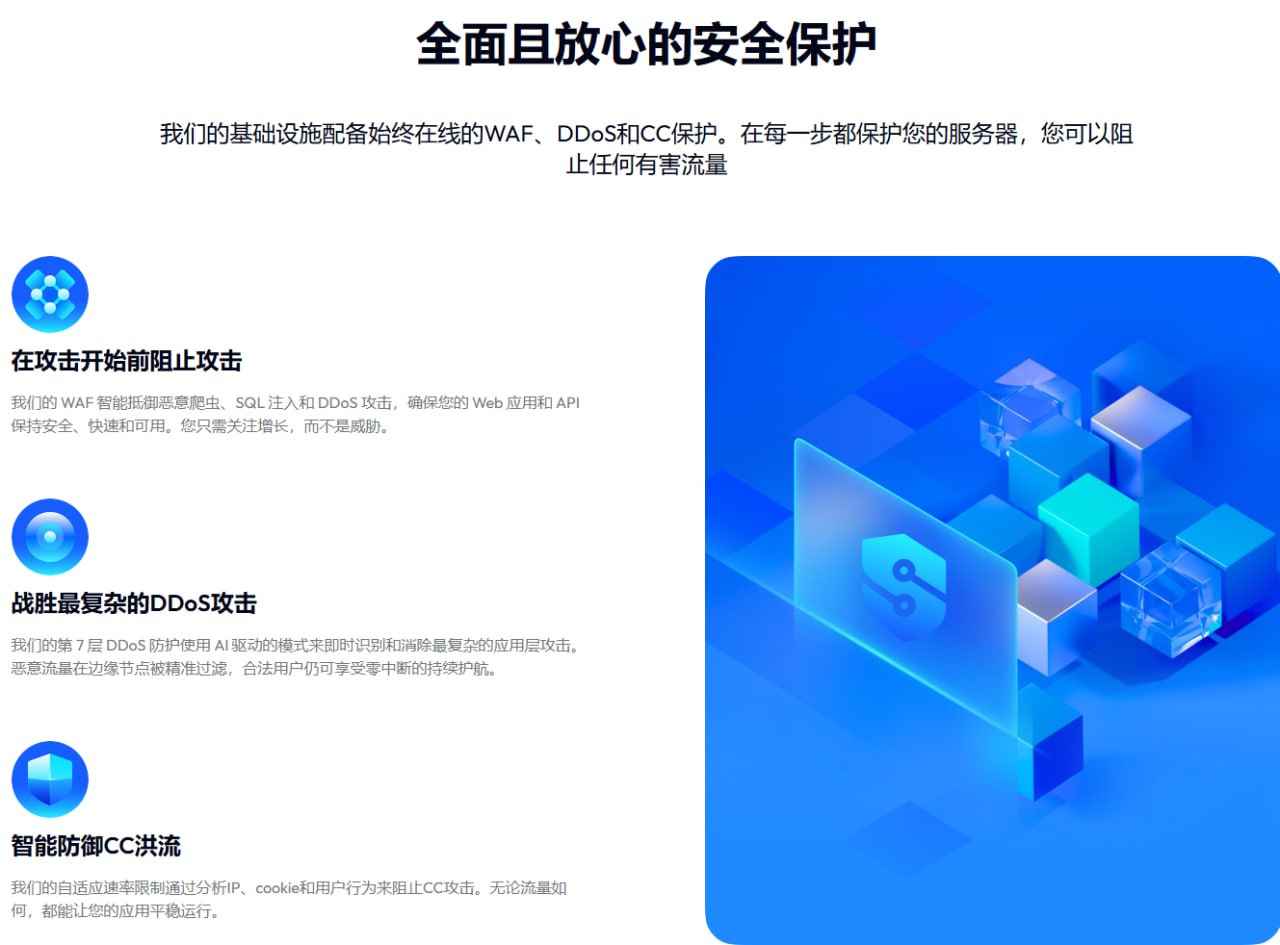
First, look at whether the bandwidth is dedicated or has a clear guarantee mechanism. Many low-priced products boast "high traffic," but the underlying bandwidth is heavily shared. Once other users in the same data center max out their traffic, your access speed will drop off a cliff. Some products also use "unlimited traffic" as a gimmick, but the actual traffic provided in the entry-level configuration is pitifully small, triggering speed limits within a few days. Secondly, pay attention to the defense capabilities of the data center, especially for users dealing with games, forums, and cross-border e-commerce businesses. A single minor DDoS attack could paralyze your business. If the provider does not offer free protection, the cost of adding defense later is often more expensive than the VPS itself.
VMRack is quite practical when it comes to traffic configurations. Even its smallest starter package provides 1TB of traffic by default, which is quite ample for daily scenarios like personal blogs, small-to-medium applications, and development testing, saving you from worrying about traffic alerts shortly after going live. At the same time, relying on its self-built data center in Los Angeles, all network VPSs enjoy over 200Gbps of free defense support by default. This requires no extra fee and does not need a separate support ticket to activate, providing a practical safeguard for small-to-medium users with limited budgets who do not want their businesses easily interrupted. Furthermore, VMRack supports flexible business combinations such as customized configurations, unlimited traffic, and large bandwidth. Users can flexibly upgrade based on actual needs instead of being rigidly locked into a package, which is what sets it apart from many "one-size-fits-all" low-cost VPSs.
II. Return Routing Quality Determines If Your VPS Is Actually Usable
If your business targets domestic users, or if you need to frequently work remotely, live stream, or run data synchronization, then the quality of the return routing is almost the core factor determining your experience. This is why "US CN2 VPS" has become a high-frequency keyword when many users search—ordinary lines often experience severe packet loss and latency spikes during peak evening hours, while CN2 GIA-level lines optimize return routing through dedicated channels, significantly improving the stability of access back to mainland China.
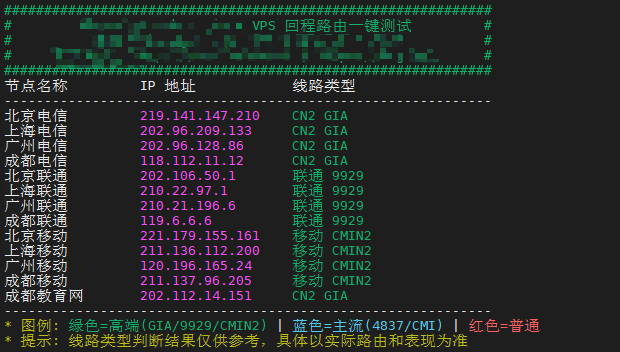
VMRack currently offers three tiers of routing choices, covering different budgets and scenario needs. Among them, its flagship Premium Routing VPS (L3) features a top-tier combination of CN2 GIA + AS9929 + CMIN2 across all three major Chinese carriers. Evening peak stability and low latency are its core selling points, making it particularly suitable for users with strict requirements for mainland China access quality, as well as latency-sensitive business scenarios like remote desktops and live streaming. If the budget is a bit tighter but a decent return routing experience is still desired, the Optimized Routing VPS (L2), equipped with 163 + 10099 + CMI lines, is also a cost-effective choice. For scenarios that purely target overseas users and do not need to consider mainland China access, the International BGP (L1) has no return optimization but features excellent international interconnectivity and high-quality IP resources at a more budget-friendly price.
III. Self-Built Data Centers Offer Both Stability and Cost-Effectiveness
Many people do not know that a large number of products on the market claiming to be "US VPS" are actually resellers purchasing resources in bulk from third-party data centers and then distributing them. In this model, the service provider has no control over the underlying network and cannot perform deep customization based on user needs. Once an issue arises with the upstream data center, downstream users can only sit and wait. This is why choosing a provider with a self-built data center background like VMRack often leads to a more stable, long-term user experience.
VMRack is a self-developed cloud infrastructure platform under EasyLink, operated out of its self-built data center in Los Angeles. With over 12 years of accumulated industry experience, its control over infrastructure spans the entire process from site selection, power supply, and cooling to network access. The data center itself complies with strict international environmental and energy management standards, equipped with UPS uninterrupted power supplies, smart ventilation systems, and very early warning fire detection systems. Meanwhile, it implements 24/7 access control monitoring and security guard presence. The intelligent monitoring system can perceive risks in real time and respond quickly, ensuring stability and reliability at the infrastructure level. Precisely because it has complete autonomous control over resources and independent R&D capabilities, VMRack can automate the entire network architecture workflow and provide rich network solutions such as multiple IPv4s, IPv6, and internal IPs—something that is often difficult to deploy flexibly with providers that rely on third-party resources.
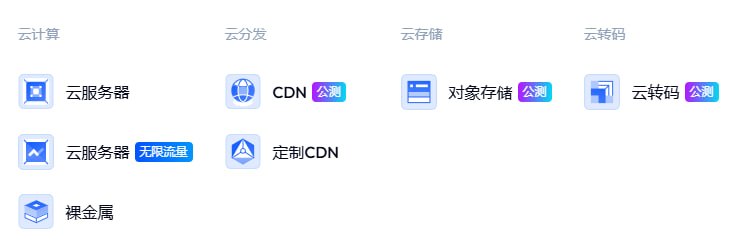
In addition to the VPS products themselves, VMRack also provides comprehensive service support such as bare metal servers, server colocation, and IP broadcasting, as well as one-stop solutions including cloud computing, CDN, object storage, and transcoding to meet multi-level needs from individual developers to enterprise-level users. Regarding payment methods, it accommodates the habits of different user groups by supporting various payment options like Alipay, PayPal, Stripe, and USDT, making the purchasing process relatively straightforward.
Summary
When choosing a truly useful VPS, price and traffic are only surface-level reference factors. The data center's strength, routing quality, defense capabilities, and the provider's ability to maintain infrastructure with long-term stability are the keys to determining the user experience. If you are looking for a Cheap US VPS with high bandwidth that offers great value, stable routing, and solid data center background support, you might want to evaluate your own business scenarios across multiple dimensions—such as return routing, defense capabilities, and resource flexibility—to select the solution that truly suits you.
- Guide to Selecting US VPS Servers: The Advantages of Los Angeles Data Centers
- CN2 GIA vs. AS9929 vs. CMIN2: Which is the Stablest Outbound Route in 2026?
- Why is the US CN2 route crucial for multi-store management in cross-border e-commerce?
- Cost-Effective US Cloud Server Recommendation: Unveiling VMRack Los Angeles Node Performance
- A compilation of affordable and reliable US CN2 VPS promotional plans for 2026


- Products
- VPS Hosting
- VPS HostingUnmetered
- Bare Metal
- GPU Rental
- CDNPublic Beta
- Custom CDN
- Object StoragePublic Beta
- TranscoderPublic Beta